


NEW
FREE
Paid for by USF Autism Services Fund
We would like to extend our sincere gratitude to the CARD USF Autism Services Fund for their support in making this training possible. Their commitment to expanding access to high-quality resources and services continues to make a meaningful impact for individuals and families.
__________________________________________________________
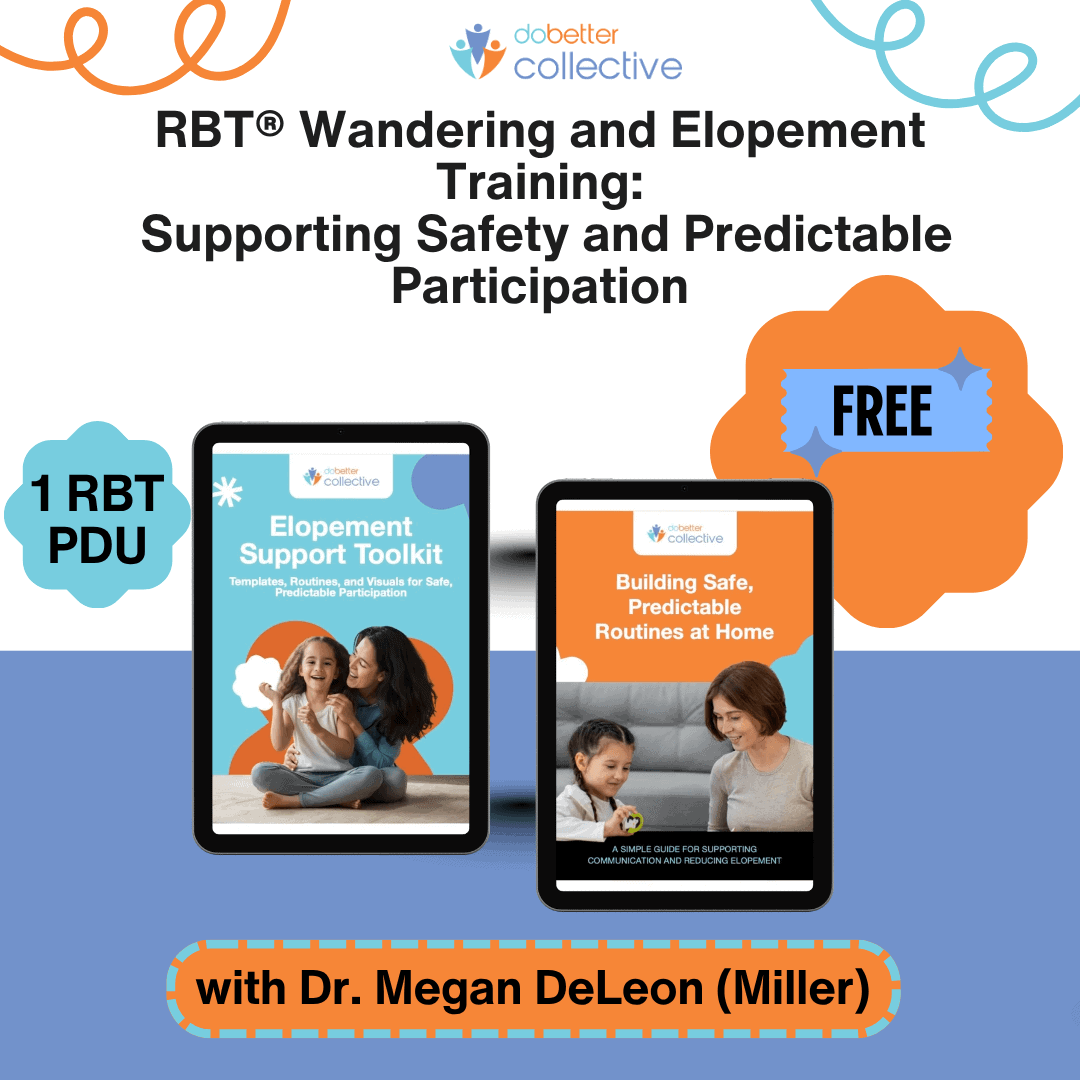
This training provides Registered Behavior Technicians (RBTs) with practical strategies for preventing and responding to elopement and wandering behavior while supporting safety and skill development.
Participants will learn how elopement occurs, how to recognize early warning signs, and how to implement safety-focused interventions with consistency and fidelity. The training emphasizes the RBT’s role in following behavior plans, practicing safety skills during everyday routines, and communicating important information to the supervising BCBA.
Through clear examples and step-by-step guidance, participants will learn how to implement core safety programs such as Stop, Walk With Me, Ask First, Waiting, and Requesting Breaks. The training also highlights how to create natural practice opportunities, reinforce communication, and support predictable routines that reduce risk.
This course focuses on building practical, session-based skills that RBTs can apply immediately to improve safety, consistency, and independence for the individuals they support.
Resources included in this training:
- Building safe and predictable routines at home
- Elopement support toolkit
LEARNING OBJECTIVES
By the end of this training, participants will be able to:
- Define elopement and identify common patterns and reasons it may occur
- Recognize early warning signs and high-risk situations associated with elopement
- Describe the RBT’s role in implementing safety procedures and following behavior plans
- Describe core safety programs, including Stop, Walk With Me, Ask First, Waiting, and Requesting Breaks
- Describe shaping procedures by adjusting distance, duration, prompting, and distraction levels during skill development
- Collect and report relevant information about elopement and precursor behaviors to the supervising BCBA