
From Compliance to Collaboration: Operationalizing Neurodiversity & Disability Justice in ABA Practice
Presenter(s): Alexandra Elfers, MS, BCBA, COBA, NCLBA
CEUs: 1 ETHICS and 1 LEARNING
$25.00
NEW
FREE FOR MEMBER
The call for reform in Applied Behavior Analysis is clear, but the path to practical implementation remains challenging. This two-hour interactive talk moves beyond historical critique to focus on the how: how do we operationalize neurodiversity and disability justice principles in everyday assessment, goal-setting, and intervention? We will dissect the gap between our ethical codes (e.g., beneficence, assent, cultural responsiveness) and on-the-ground practice, using real-world case examples to highlight conflicts and opportunities. Attendees will engage with frameworks like Critical Behavioral Studies (CBS) and Disability Critical Race Theory (DisCrit) as practical lenses for case conceptualization. The core of the webinar will be discussing hypothetical learner scenarios and how CBS and DisCrit shift the narrative in how we approach clinically. This session is designed for practitioners ready to translate critical dialogue into actionable steps, fostering a practice that prioritizes client autonomy, reduces harm, and builds authentic therapeutic partnerships.
Learning Objectives:
- Analyze a client case through the lenses of Disability Critical Race Theory (DisCrit) and Critical Behavioral Studies (CBS) to identify potential biases and power dynamics in goal selection.
- Operationalize the ethical codes of beneficence and assent into two concrete practice changes that move away from compliance-based training.
- Develop a draft plan for replacing one restrictive or normalization-focused procedure with an affirming, appetitive-based intervention aligned with neurodiversity principles.
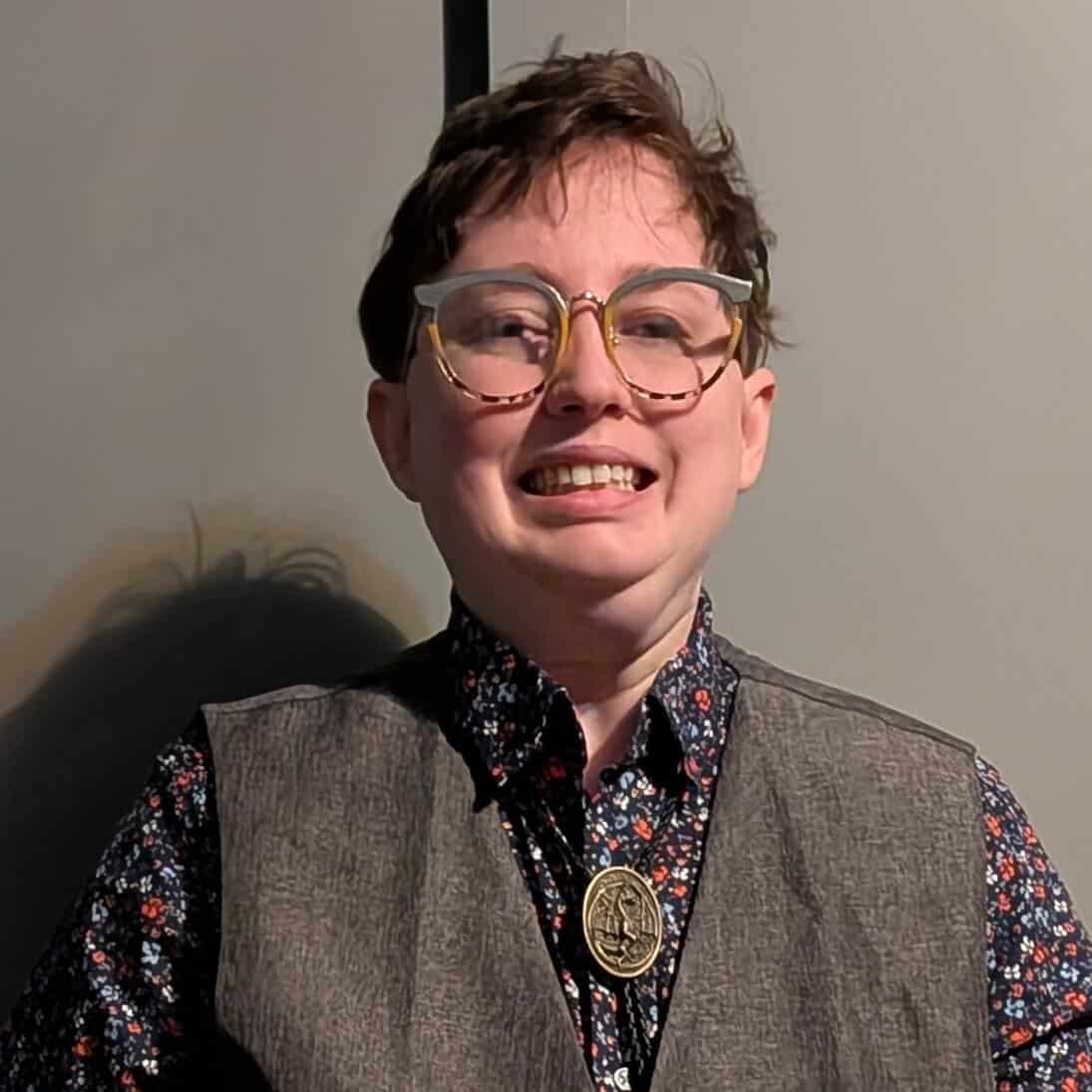
Alexandra Elfers (Al), MS, BCBA, is a queer, deaf, autistic, and multiply disabled behavior analyst. After obtaining their BS in Physics, they transitioned to education, working in diverse roles including tutoring abroad. Currently Al is a doctoral student at The Chicago School, where their dissertation focuses on seeking feedback from learners. Al is passionate about dismantling ableist structures within behavior analysis and empowering clients to access accommodations.
Their research investigates the behavior of practitioners to address historical harms, grounded in disability justice. They aim to reorient the field toward curiosity and a more humane, trauma-informed approach. In their private practice, they use ABA not as conventional “autism therapy,” but as a measurement tool for a collective, humanistic support model. They are committed to harm reduction and amplifying disabled voices. Outside of work, they enjoy life with their seven cats, creative arts like poetry and quilting, Taekwondo, and board games with their found family.
$25.00
If you purchase this course you will earn 25 Points worth $2.50!
Courses: Group Sales
Purchasing for a staff member? Use our group sales to purchase courses for staff members. Once purchased you will be able to invite staff members to the course and monitor progress.
Additional information
| CEU Amount | 2 |
|---|---|
| Product Type | Live Online Event, Single On-Demand |
| CEU Type | Learning, Ethics |
| Subject | ABA Tools, Neurodiverse |
| Price | Paid, Included with Trail Blazers |
| Course Presenter | Alexandra Elfers, MS, BCBA, COBA, NCLBA |
SHARE
Facebook
WhatsApp
X
LinkedIn
Email


ACE Provider: DoBetter Movement | Provider #OP-19-3103
ACE Coordinator, Megan M. Miller, PhD, BCBA-D