

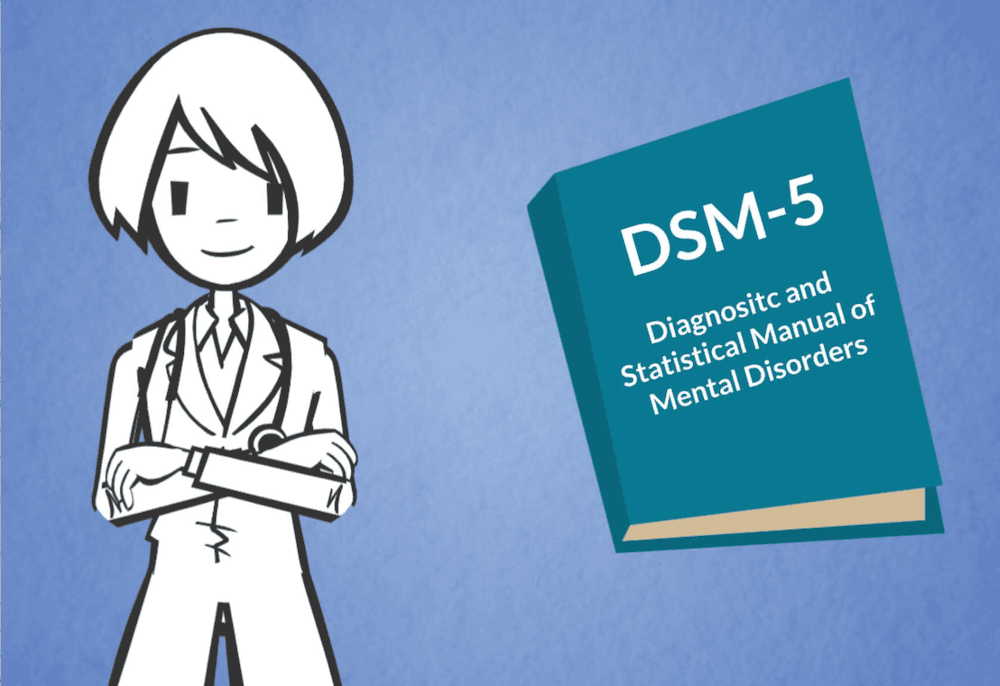
The DSM-V is a diagnostic tool for a wide range of conditions used by clinicians. It is published from the American Psychiatric Association (APA).
Explore summarized content from the DSM-5 below for Autism Spectrum Disorder.
Diagnostic Criteria
Autism Spectrum Disorder is diagnosed when a person shows ongoing differences in social communication and has restricted or repetitive behaviors. These features must be present across settings, begin early in development, and impact day-to-day functioning. ASD is not better explained by intellectual disability alone, and severity levels describe how much support a person needs in each area.
Severity
Severity levels describe how much support a person needs in two areas:
- Social communication
- Restricted or repetitive behaviors
These behaviors can include things like repeating movements or speech, strong need for routines or sameness, very focused or intense interests, or noticeable sensory differences (such as being extremely sensitive or unusually unresponsive to sounds, textures, lights, or movement).
- Level 1 – Requires support
- The person can communicate but may struggle with back-and-forth interaction, flexibility, or coping with change. Repetitive behaviors or sensory needs may interfere with daily life without support.
- Level 2 – Requires substantial support
- Social communication challenges and rigid or repetitive behaviors occur more often and are clearer to others. The person may use limited or unusual communication and have significant difficulty with changes, transitions, or sensory experiences.
- Level 3 – Requires very substantial support
- The person shows severe difficulties in communication and very strong inflexibility or repetitive behaviors. Changes in routine or sensory input can be extremely distressing, and the person may rely heavily on others for daily functioning.
Symptoms
ASD traits start early, even if they aren’t obvious until later when social demands increase. These features must meaningfully impact everyday life and cannot be explained solely by intellectual disability or developmental delay. When both conditions occur together, autism is diagnosed only if social communication challenges exceed what would be expected for the person’s developmental level.

Not every behavior needs to be “corrected” or changed.
Some behaviors just need to be understood.