
(LIVE Rejected 2025 – Dec 15 130pm EST) Beyond the Script
For too long, social skills instruction has leaned on scripts, rehearsed exchanges, rote teaching, and extrinsic reinforcers. Mastery has too often been defined as “looking and acting more neurotypical,” rather than developing skills that foster authentic engagement and support the learner’s own goals. While these methods can produce surface-level responses, they fall short in nurturing the flexibility, motivation, and connection needed for meaningful relationships. In this session, we will examine how a neurodiversity-affirming, play-based model can move the field forward by prioritizing the learner’s voice, motivation, and autonomy.
Through case examples and practical strategies, behavior analysts will see how to reframe “social skills” instruction as the cultivation of authentic social lives. This approach not only supports skill development but also enhances self-determination, belonging, and long-term outcomes for neurodivergent learners.
Join us to explore cutting-edge, evidence-based practices that challenge traditional models, strengthen your clinical repertoire, and align with a values-driven, neurodiversity-affirming vision of behavior analysis.
Learning Objectives:
- Assessment – Identify learner strengths, interests, and foundational skills through observation and engagement, moving beyond deficit-based models.
- Goal Prioritization – Select meaningful, individualized goals that support autonomy, self-advocacy, and authentic participation rather than goals rooted in compliance or neurotypical mimicry.
- Intervention – Implement play-based, motivation-driven teaching strategies that embed social learning naturally and respect learner choice and pacing.
- Reinforcement – Differentiate between extrinsic reinforcers and natural/social sources of reinforcement, applying practices that strengthen genuine connection and long-term generalization.
- Data & Progress Monitoring – Collect and interpret data in ways that highlight authentic growth in flexibility, participation, and connection, while ensuring success is not defined by behavior suppression, masking, or appearing “more typical.”
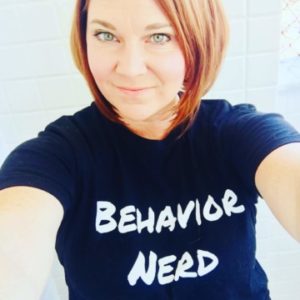
Ashley Rose is founder and clinical director of Mission Cognition Social – Emotional- Behavioral Wellness program providing direct service behavior analytic, group based programing to preschoolers through adults with varying disabilities. Ashley has worked in the fields of applied behavior analysis and special education since 2002, in roles such as a paraprofessional, in home ABA provider, inclusion teacher, parent trainer, IEP advocate, and school district behavior specialist. In 2013, Ashley opened Mission Cognition to meet the needs of a growing population of learners who did not have equitable access to fun and friendships. Since opening, the program has become an established U.S and international model for trauma informed, neurodiversity-affirming, naturalistic, relationship based ABA. Ashley specializes in the development of play and social behaviors, disseminates information via multiple invited professional development trainings yearly, and provides ongoing professional consultation and training to parents, providers and organizations domestically, as well as internationally.
| Platform Name | Platform Link |
|---|---|
| https://facebook.com/missioncognition | |
| https://instagram.com/missioncognition | |
| Tik Tok | https://tikTok.com/behaviorconnection |
| YouTube | https://YouTube.com/missioncognition |
Course Content
About Instructor
Course Includes
- 1 Lesson
- Course Certificate

Responses