


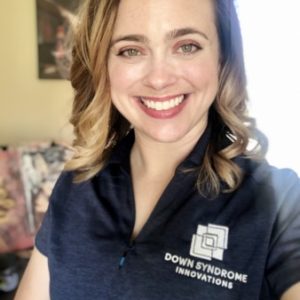
Communication is one of the most meaningful skills a learner can develop, and RBTs play an important role in supporting it. In this course, Megan DeBoom introduces RBTs to the foundations of Augmentative and Alternative Communication (AAC) while emphasizing a learner-centered approach that honors all meaningful communication. Through engaging video demonstrations, real-world examples, and practical guidance, you’ll learn what AAC is, who may benefit from it, the principles of Total Communication, and how to support AAC users while working collaboratively with BCBAs, SLPs, caregivers, and other members of the learner’s team. Megan also introduces many of the common concepts and terminology you’ll encounter when supporting AAC users—including topics such as core and fringe vocabulary, grid size, speech-generating devices, and facilitated communication—helping you feel more confident participating as a member of the interdisciplinary team. Whether you’re supporting someone who uses a speech-generating device, signs, gestures, or other forms of communication, this course will help you become a more effective communication partner while staying within the RBT scope of practice.
Learning Objectives
By the end of this course, learners will be able to:
- Recognize common AAC concepts and terminology that support effective collaboration and communication with AAC users, including Total Communication, core and fringe vocabulary, speech-generating devices, grid size, and facilitated communication.
- Identify the role of the RBT in supporting AAC users while collaborating with BCBAs, SLPs, caregivers, and other members of the interdisciplinary team.
- Recognize appropriate professional boundaries related to AAC systems, including when concerns or recommendations should be communicated to the supervising BCBA or SLP rather than independently modifying an AAC system.
- Identify ethical and learner-centered practices that support meaningful communication, including honoring AAC as the learner’s voice and remaining within the RBT scope of practice.
Course Content
About Instructor
Course Includes
- 1 Lesson
- 1 Quiz
- Course Certificate

Responses