



Dec 20, 2026 at 10-12pm ET
Free Live Webinar (CEUs for purchase; included free for members)
Applied Behavior Analysis is used to teach many things including social skills and conversation skills. Traditional conversation goals focus on how to look for signs that the conversation partner finds them boring (ie: does the person look at their watch, do they look away, etc), finding ways to make their conversation partner happy (ie: talk only about what they want), and scripts (ie: asking specific questions, always ask a question after a statement, etc). While some of this is valuable as part of a larger intervention, we should be focusing on teaching our clients empowering goals the focus the the fact that conversation is about shared joy (ie: are they both interested in the topic), clear communication (ie: verbally check in that the person is interested still or ask about an unclear expectation), and finding conversation partners that share our interests (you can’t talk about it too much if the other person doesn’t want to stop talking about it!). When we teach our clients that they must constantly scan for their conversation partner’s discomfort and also ignore their own comfort, this does not create positive social interactions but makes social interactions stressful and ineffective. In this training we will review the ethics of creating empowering socially significant conversation skills programming for students and tangible programs that teach clients to have joyful conversations.
Learning Objectives:
- In this workshop participants will identify the ethical implications of creating socially significant conversation skills programs
- In this workshop participants willidentify social significant conversation skills that can be taught to increase social communication
- In this workshop participants will be able to write and implement empowering and socially significant conversation goals
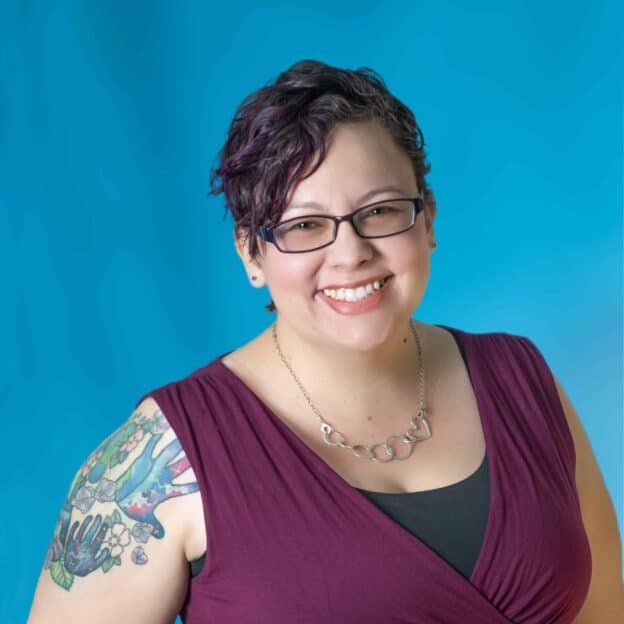
Saundra Bishop, MS, BCBA, LBA CCTP is the founder, Clinical Director, and Executive Director of the DC-based BASICS ABA Therapy. She is the former President of DCABA. She has over 23 years of experience working in Applied Behavior Analysis(ABA) and with people with Autism/Autistic people and has been a BCBA for 17 years and is licensed in Virginia and Maryland. She is especially passionate about Trauma-Informed Behavior Management and on using teaching models that focus on self advocacy rather than compliance. She is a Certified Clinical Trauma Professional and also certified to give trainings that qualify for Type-2 CEUs, DC Public Schools CEUs, and Child and Family Services foster parent hours. She has experience in many roles as a BCBA. She has worked in homes, schools, clinical settings, group homes, hospitals, and also testifying as an expert witness. She has presented at conferences, workshops for organizations and parents, webinars, and as a keynote speakers on various topics including Trauma Informed ABA and reform in ABA. Additionally, she was written a handbook called the Trauma Informed Behavior Management Handbook which walked providers step by step through creating a Trauma Informed Behavior intervention. She enjoyed being a foster parent for 7 years and now has 4 wonderful daughters with and without special needs. She enjoys biking and competitive storytelling.
About Instructor

Course Includes
- 2 Lessons
- Course Certificate

Responses