

(Parent) Wandering and Elopement for Parents: Understanding and Supporting Wandering and Elopement Safely
This course is designed to help you better understand why wandering happens and what you can do to support your child's safety in a way that feels practical, realistic, and respectful.

Paid for by USF Autism Services Fund
We would like to extend our sincere gratitude to the CARD USF Autism Services Fund for their support in making this training possible. Their commitment to expanding access to high-quality resources and services continues to make a meaningful impact for individuals and families.
Wandering can be one of the most stressful and confusing experiences for families. If your child has ever walked away unexpectedly, run toward something they love, or quietly explored without letting you know, you’re not alone and you’re not doing anything wrong.
This course is designed to help you better understand why wandering happens and what you can do to support your child’s safety in a way that feels practical, realistic, and respectful.
Throughout the training, you’ll learn how wandering is often a form of communication, not just behavior. We’ll walk through common reasons children wander, including wanting access to something they enjoy, feeling overwhelmed, needing movement, or not yet having a reliable way to ask for what they need .
You’ll also learn simple, step-by-step ways to support safety at home and in the community. This includes building predictable routines, teaching your child how to communicate before leaving, and creating safer ways for them to move, explore, and access the things they love.
The course will guide you through:
- How to recognize patterns and early warning signs
- What a supportive safety plan can look like
- How to create routines that reduce the urge to wander
- Simple environmental supports that increase safety while skills are still developing
You’ll also learn how to work collaboratively with your child’s support team, what questions you can ask, and what you can reasonably expect when safety is a concern.
Most importantly, this course focuses on helping you feel more confident, prepared, and supported. You don’t need a perfect plan to get started. Small, consistent changes can make a meaningful difference over time.
Resources included in this training:
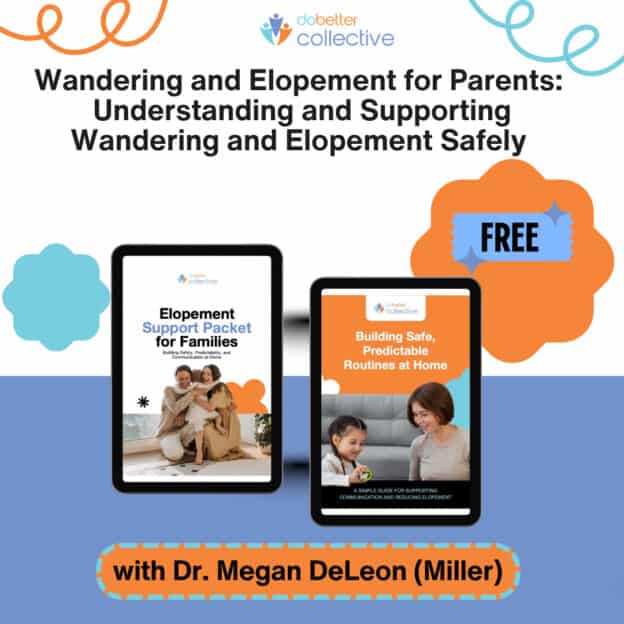
- Building safe and predictable routines at home
- Elopement support packet for families
About Instructor

Course Includes
- 2 Lessons
- Course Certificate

Responses